

Why Comprehensive Eye Exams Are Important Even If You See Clearly
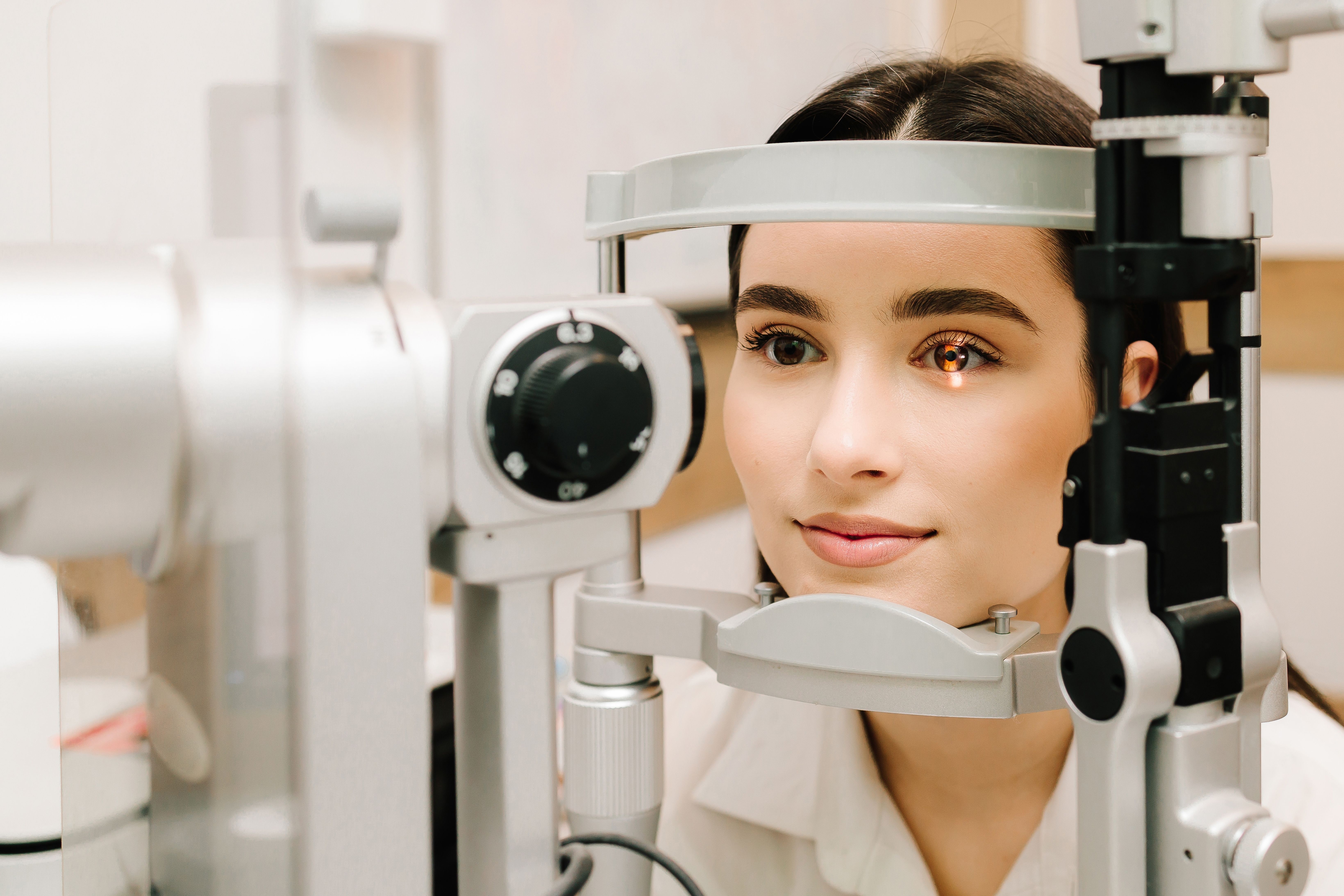
If you can read street signs, work comfortably on your computer, and scroll through your phone without difficulty, it’s easy to assume your eyes are perfectly healthy. However, clear vision does not always mean healthy eyes. Comprehensive eye exams are about much more than checking whether you need glasses. They play a critical role in protecting your long-term vision and overall health.
Clear Vision vs. Eye Health: What’s the Difference?
Many people equate good eyesight with good eye health. While related, they are not the same.
- Vision refers to how clearly you can see.
- Eye health refers to the overall condition of your eyes, including internal structures that you cannot see or feel.
You can have 20/20 vision and still have early signs of eye disease. That’s why routine comprehensive exams are so important.
Early Detection of Silent Eye Diseases
Several serious eye conditions develop gradually and painlessly. By the time symptoms appear, permanent damage may already have occurred.
- Glaucoma: Often called the “silent thief of sight,” glaucoma can damage the optic nerve without noticeable vision changes in its early stages. Many patients don’t realize anything is wrong until peripheral vision loss has already begun.
- Macular Degeneration: Age-related macular degeneration affects central vision and can significantly impact daily activities like reading and driving. Early detection allows for monitoring and treatment that may slow progression.
- Diabetic Retinopathy: For patients with diabetes, eye exams are essential. Diabetic retinopathy can develop without symptoms but may lead to vision loss if left untreated. Regular exams allow for early intervention and better management.
Eye Exams Can Reveal Systemic Health Issues
Your eyes provide a unique window into your overall health. During a comprehensive eye exam, your optometrist can detect early signs of conditions such as:
- High blood pressure
- Diabetes
- High cholesterol
- Autoimmune disorders
In some cases, patients first learn about these systemic health issues during a routine eye exam. Early detection can lead to timely medical care and better health outcomes.
Updating Prescriptions Before You Notice Changes
Vision changes often occur gradually, making them difficult to detect on your own. You may adapt to minor blur, eye strain, or headaches without realizing your prescription has changed.
A comprehensive exam ensures your glasses or contact lenses are up to date, helping you:
- Reduce digital eye strain
- Improve comfort during reading or screen use
- Enhance night driving visibility
- Prevent headaches related to visual fatigue
Even small prescription adjustments can significantly improve comfort and clarity.
How Often Should You Schedule an Eye Exam?
For most adults, a comprehensive eye exam is recommended annually. However, frequency may vary depending on:
- Age
- Medical history
- Family history of eye disease
- Existing vision conditions
Your optometrist can recommend a personalized schedule based on your specific needs.
Schedule Your Annual Eye Exam at Dublin Jerome Eyecare
Seeing clearly is important - but it’s only part of the story. Many serious eye conditions develop without noticeable symptoms, and early detection is key to protecting your long-term vision and health. Comprehensive eye exams go beyond checking your prescription. They safeguard your sight, monitor changes over time, and can even reveal important information about your overall health.
Contact Dublin Jerome Eyecare to schedule your next comprehensive eye exam and take a proactive step toward preserving your vision for years to come. Visit our office in Plain City, Ohio, or call (614) 733-8522 to book an appointment today.

© 2026 Dublin Jerome Eyecare. All rights Reserved. Accessibility Statement - Privacy Policy - Wellness Advantage Card - Terms & Conditions.
Powered by:
